VoLTE, Wi-Fi calling, video, and rich messaging all run as IMS sessions over SIP. Some IMS solutions have no billing capacity of their own. Without a charging gateway between IMS and the charging system, the operator is carrying real-time services with no way to identify the right account and rate the usage. The IM-SSF sits between the TAS and the OCS/SCP and lets you charge in Diameter or CAMEL.
The move to IP multimedia put voice, messaging, and video on SIP. VoLTE, Wi-Fi calling, enriched messaging, and video calling are all IMS sessions now. They are real services that cost the operator to carry, and they have to be charged like any other.
The difficulty is identification and control. The charging system needs to know which account to charge and to monitor usage as the session runs. IMS does not speak to the OCS directly. Without a function that sits between the IMS core and the charging system, real-time IMS services either go uncharged or get bolted to a separate per-service billing integration that grows with every new service.

IMS session starts — SIP request arrives at the IM-SSF
The Ouroboros IM-SSF is a SIP application server that sits between the IMS core and the charging system. It receives the SIP session, identifies the subscriber, and queries the Online Charging System for the credit and service entitlements granted to that account. As the session runs, it monitors usage so the OCS can apply real-time credit control. Charging runs in Diameter to the OCS or in CAMEL to the SCP, whichever the operator's charging plane speaks.
OCS queried in Diameter, or the SCP in CAMEL
The result is that each IMS service, voice over LTE, Wi-Fi calling, enriched messaging, or video calling, is billed correctly against the right account. Because the IM-SSF provides a common IP interface, a subscriber can activate sessions from multiple mobile and fixed devices and have them charged consistently. Fixed-mobile convergence is handled in one place, so a single account can span both access types.
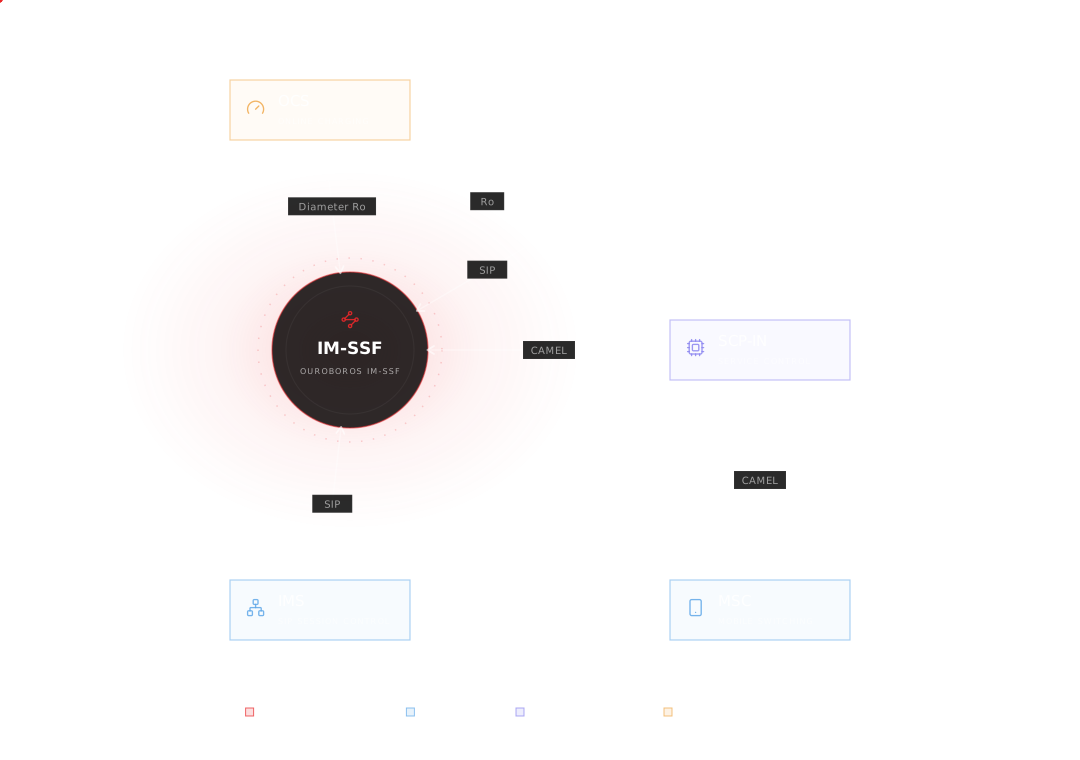
IM-SSF — IMS session control onto the charging plane
VoLTE billing, Wi-Fi calling, video, enriched messaging — one gateway charges every IMS service against the right account.
VoLTE charging at launch
When an operator turns up VoLTE, the IM-SSF charges voice sessions in real time against the OCS in Diameter or the SCP in CAMEL. Voice over LTE bills correctly from the first call.
Wi-Fi calling and video
Wi-Fi calling and video calling run as IMS sessions over the same charging path. Each service is identified and rated without a separate billing integration per service.
Rich and enriched messaging
Enriched messaging services charge through the IM-SSF rather than a standalone messaging biller, so the charging logic stays in one place.
Fixed-mobile convergence
A subscriber activating sessions from multiple fixed and mobile devices is charged consistently through one common IP interface, so convergent offers bill as one account.

We've selected Ouroboros because it was the best company capable of fulfilling our need for a scalable and virtualised full MVNO platform. Moreover, the Ouroboros team is pragmatic, flexible and responsive.
Pascal Prot
CEO-CTO · Legos
SIP application server for IMS charging
The IM-SSF sits between the IMS core and the charging system as a SIP application server. Real-time IMS services connect to charging without a per-service billing integration.
Real-time credit control via the OCS
The IM-SSF queries the OCS for entitlements and monitors usage. VoLTE and IMS services are authorised and rated as the session runs, not after.
Common IP interface across devices
Subscribers activate sessions from multiple mobile and fixed devices over one interface. Convergent offers bill consistently regardless of the device the subscriber uses.
One charging touchpoint for IMS
A single element handles charging for voice, messaging, and video over IMS. Fewer network elements between the service and the bill, which lowers operating cost.
Fixed-mobile convergence
Fixed and mobile IMS services charge through the same function. Operators run convergent services without a separate biller per access type.
IMS turned voice and messaging into IP sessions, and those sessions still have to be charged. The Ouroboros IM-SSF is the function that makes that possible: a SIP application server that identifies the subscriber, talks to the OCS in Diameter or the SCP in CAMEL, and bills each VoLTE, Wi-Fi calling, video, or messaging session against the right account.
Centralising IMS charging in one element means fewer systems between the service and the bill, which is where the operating cost of IMS charging usually hides. The gateway draws on a charging platform live in carrier networks since 2004, and an OPEX rental keeps that cost in step with the IMS traffic it bills.

Which IMS services are you running, and what charging system sits behind them? We'll confirm how the IM-SSF charges them against the OCS or SCP from one gateway.
 Product datasheet
Charging · Charging & Billing
IM-SSF — IP Multimedia Service Switching Function
VoLTE, Wi-Fi calling, video, and rich messaging all run as IMS sessions over SIP. Some IMS solutions have no billing capacity of their own. Without a charging gateway between IMS and the charging system, the operator is carrying real-time services with no way to identify the right account and rate the usage. The IM-SSF sits between the TAS and the OCS/SCP and lets you charge in Diameter or CAMEL.
In production since 2004 · 148M+ subscribers · OPEX rental available
IMS services that no charging system can see
The move to IP multimedia put voice, messaging, and video on SIP. VoLTE, Wi-Fi calling, enriched messaging, and video calling are all IMS sessions now. They are real services that cost the operator to carry, and they have to be charged like any other.
The difficulty is identification and control. The charging system needs to know which account to charge and to monitor usage as the session runs. IMS does not speak to the OCS directly. Without a function that sits between the IMS core and the charging system, real-time IMS services either go uncharged or get bolted to a separate per-service billing integration that grows with every new service.
Every IMS session identified. Billed in real time.
IMS session starts — SIP request arrives at the IM-SSF
The Ouroboros IM-SSF is a SIP application server that sits between the IMS core and the charging system. It receives the SIP session, identifies the subscriber, and queries the Online Charging System for the credit and service entitlements granted to that account. As the session runs, it monitors usage so the OCS can apply real-time credit control. Charging runs in Diameter to the OCS or in CAMEL to the SCP, whichever the operator's charging plane speaks.
OCS queried in Diameter, or the SCP in CAMEL
The result is that each IMS service, voice over LTE, Wi-Fi calling, enriched messaging, or video calling, is billed correctly against the right account. Because the IM-SSF provides a common IP interface, a subscriber can activate sessions from multiple mobile and fixed devices and have them charged consistently. Fixed-mobile convergence is handled in one place, so a single account can span both access types.
IM-SSF — IMS session control onto the charging plane
How operators use it.
VoLTE billing, Wi-Fi calling, video, enriched messaging — one gateway charges every IMS service against the right account.
VoLTE charging at launch
When an operator turns up VoLTE, the IM-SSF charges voice sessions in real time against the OCS in Diameter or the SCP in CAMEL. Voice over LTE bills correctly from the first call.
Wi-Fi calling and video
Wi-Fi calling and video calling run as IMS sessions over the same charging path. Each service is identified and rated without a separate billing integration per service.
Rich and enriched messaging
Enriched messaging services charge through the IM-SSF rather than a standalone messaging biller, so the charging logic stays in one place.
Fixed-mobile convergence
A subscriber activating sessions from multiple fixed and mobile devices is charged consistently through one common IP interface, so convergent offers bill as one account.
Specifications.
Inside the platform.
SIP application server for IMS charging
The IM-SSF sits between the IMS core and the charging system as a SIP application server. Real-time IMS services connect to charging without a per-service billing integration.
Real-time credit control via the OCS
The IM-SSF queries the OCS for entitlements and monitors usage. VoLTE and IMS services are authorised and rated as the session runs, not after.
Common IP interface across devices
Subscribers activate sessions from multiple mobile and fixed devices over one interface. Convergent offers bill consistently regardless of the device the subscriber uses.
One charging touchpoint for IMS
A single element handles charging for voice, messaging, and video over IMS. Fewer network elements between the service and the bill, which lowers operating cost.
Fixed-mobile convergence
Fixed and mobile IMS services charge through the same function. Operators run convergent services without a separate biller per access type.
IMS turned voice and messaging into IP sessions, and those sessions still have to be charged. The Ouroboros IM-SSF is the function that makes that possible: a SIP application server that identifies the subscriber, talks to the OCS in Diameter or the SCP in CAMEL, and bills each VoLTE, Wi-Fi calling, video, or messaging session against the right account.
Centralising IMS charging in one element means fewer systems between the service and the bill, which is where the operating cost of IMS charging usually hides. The gateway draws on a charging platform live in carrier networks since 2004, and an OPEX rental keeps that cost in step with the IMS traffic it bills.
OCS
The IM-SSF queries the OCS for real-time credit control on prepaid IMS sessions.
IP-SMS Gateway (IP-SM-GW)
Where the IM-SSF charges IMS sessions, the IP-SM-GW bridges IMS messaging to the legacy SMSC. The two cover IMS charging and IMS messaging interworking.
PCRF
Policy control over the Rx interface and IMS charging work together so VoLTE bearers are both prioritised and rated.
Next step
Carrying VoLTE and IMS services without charging them in real time?
Which IMS services are you running, and what charging system sits behind them? We'll confirm how the IM-SSF charges them against the OCS or SCP from one gateway.